
What Does a Graphic Design Studio Do?
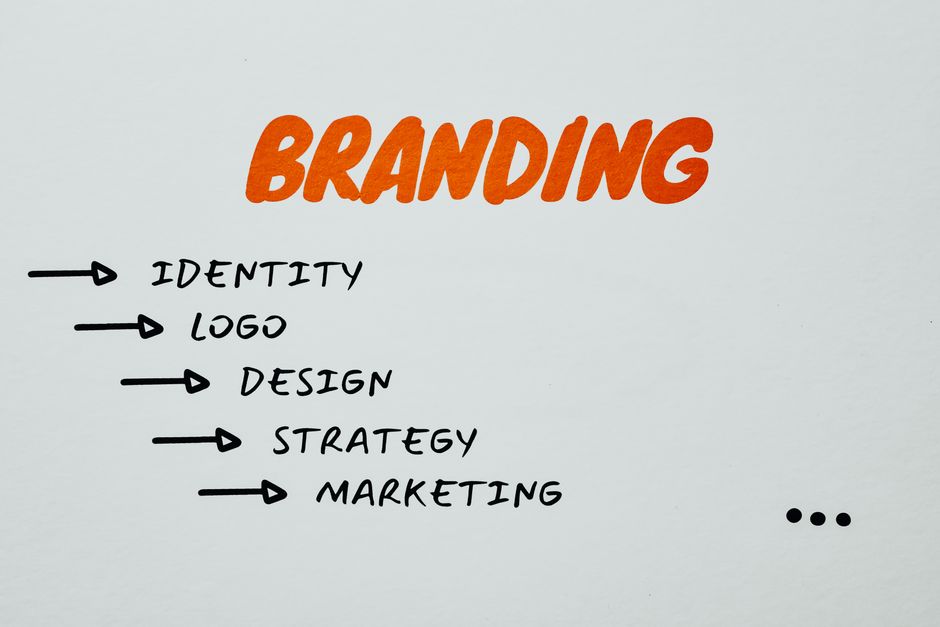
A graphic design studio develops visual materials that help a business communicate, market, and present its products or services. It may handle branding, print, packaging, digital graphics, and ongoing marketing assets. The process usually moves from a brief and proposal to concepts, revisions, production-ready files, and a written agreement covering fees, usage rights, and ownership.
What services does a graphic design studio provide?
A graphic design studio provides visual communication services across brand identity, print, packaging, digital media, and marketing. The value is coordination: instead of treating each logo, brochure, advertisement, or web graphic as an isolated purchase, the studio can build a consistent visual system.
According to the U.S. Bureau of Labor Statistics, graphic designers create visual concepts by hand or with software and develop layouts for advertisements, brochures, magazines, reports, websites, packaging, and other applications. Typical studio deliverables can therefore include:
- Branding: logos, visual elements, color and typography systems, and brand-use materials.
- Print: brochures, reports, advertisements, sales sheets, publications, and other printed layouts.
- Packaging: product labels, package graphics, and related production artwork.
- Digital: website graphics, online advertisements, social media assets, presentations, and diagrams.
- Marketing support: recurring campaign graphics, updates to existing materials, and adaptations for different formats.
Do not judge the service by the number of deliverables alone. A strong scope explains what each item must accomplish, where it will appear, how many versions are needed, and which production requirements apply. That distinction prevents a low headline price from turning into a high total cost through unplanned additions. When comparing offers, use the same discipline described in Rent to Own PC Gaming: Compare the Full Cost First: compare the complete obligation, not just the first number you see.
How does a graphic design studio work with a new client?
A graphic design studio usually starts with information gathering, defines the project scope, proposes a process and schedule, develops concepts, incorporates approved changes, and delivers final files after quality checks. The process works best when both sides treat the brief and proposal as operating instructions rather than paperwork.
- Discovery: Explain the business objective, audience, message, competitors, deliverables, formats, deadlines, and decision-makers.
- Planning: The studio translates that information into objectives, milestones, a work schedule, fees, expenses, and approval points.
- Concept development: Designers create and present visual directions for review. The BLS lists presenting design concepts and incorporating client changes among typical design duties.
- Refinement: The selected direction is revised within the agreed scope. New deliverables or major strategic changes should be handled through a written change order.
- Production and handoff: The studio checks designs for errors before printing or publishing and supplies the final works and agreed usage documentation.
The AIGA standard form of agreement organizes a design project around the overview, objectives, process, milestones, fees, expenses, schedule, billing, and signatures. That sequence gives you a practical test for a proposal: if it only contains a price and a vague promise to “create designs,” the system is incomplete.
How much does a graphic design studio charge?
A graphic design studio may charge by time and materials, fixed fee, usage, licensing, or a hybrid of these methods; the supplied research does not establish one universal studio price. The AIGA pricing guidance identifies those compensation structures and explains that a fixed-fee proposal should define inclusions, exclusions, and the change-order process.
For context, the BLS reported a 2024 median annual wage of $61,300 for graphic designers, equivalent to $29.47 per hour, while the highest-paid 10 percent earned more than $103,030. Those figures describe employee wages, not a studio's client price. A studio's fee can also account for project management, strategy, collaboration, software, overhead, expenses, and the commercial rights granted to the client.
| Pricing model | What to clarify before signing | Where it fits |
|---|---|---|
| Time and materials | Hourly rates, estimated hours, expenses, and approval limits | Work whose scope is likely to change |
| Fixed fee | Exact deliverables, milestones, revisions, exclusions, and change orders | A defined project with a measurable scope |
| Use-based or licensing | Media, quantity, territory, duration, and product category | Work whose value depends on how it is used |
| Hybrid | Which phases use each pricing method and when additional payments apply | Large or phased projects |
AIGA notes that licensing royalties can vary by product category and may range from 3 percent to 15 percent. It also notes that out-of-pocket expenses other than travel are commonly subject to a standard 20 percent markup. Ask for these items in writing, along with payment timing and the point at which rights transfer. The cheapest proposal is not automatically the least expensive project; unclear scope is where cost drift begins.
Should I hire a graphic design studio or a freelance designer?
Hire a graphic design studio when your project needs several design capabilities, coordinated collaboration, or a connected system of deliverables; hire a freelancer when one qualified person can complete a narrower assignment efficiently. An in-house designer suits continuing internal priorities, while a subscription service is best evaluated for predictable recurring production rather than complex brand strategy.
| Option | Best fit | Check before choosing |
|---|---|---|
| Graphic design studio | Brand systems, multi-channel campaigns, packaging, or projects requiring coordinated roles | Who leads the project, who designs, and how feedback is consolidated |
| Freelance designer | A focused logo, layout, illustration, or clearly defined design task | Availability, relevant experience, backup coverage, and production capacity |
| In-house designer | Ongoing work that depends on daily access to internal teams and information | Whether the role has the skills and time for the full project |
| Subscription service | Repeatable, ongoing requests with a stable format and predictable workflow | Queue limits, turnaround expectations, revisions, ownership, and unused capacity |
Use complexity and coordination as the deciding variables, not prestige. A studio adds value when the cost of managing several specialists yourself would exceed the value of having one accountable team. A freelancer adds value when the brief is contained and the required skill is specific. In every case, compare the portfolio, case studies, schedule, revision policy, rights, and final-file policy before comparing the final price.
What should I send a graphic design studio before requesting a quote?
Send a concise project brief containing the business objective, audience, required deliverables, intended uses, formats, deadline, budget approach, existing brand assets, references, and names of the decision-makers. Better input produces a more precise proposal because the studio can estimate the actual work rather than pricing an unknown.
- Describe the problem the design must solve and the action the audience should take.
- List every expected deliverable, size, channel, language, and version.
- Identify where the work will be used, for how long, in which territory, and at what scale.
- Provide existing logos, brand guidelines, copy, product information, photography, and required technical specifications.
- State the deadline, review participants, approval authority, and preferred communication method.
- Ask the studio to separate included work, exclusions, expenses, revision limits, change orders, and rights.
Before approval, ask whether the proposal covers a limited-use license, an exclusive license, an assignment of rights, or work made for hire. AIGA emphasizes that paying an independent designer does not automatically transfer intellectual-property ownership. It also explains that clients normally receive the final works and the working files needed to exercise their agreed rights, rather than every preliminary concept or file. Ask specifically for the formats you need and do not assume that editable source files or third-party materials are included.
Frequently Asked Questions
How many revisions are usually included in a studio project?
The supplied research sources do not establish a standard number of included revisions. Ask the studio to define the number of concept rounds, revision rounds, approval points, and change-order fees in the proposal before work begins.
Can a graphic design studio use AI tools without compromising originality?
Yes, AI assistance can still produce copyrightable work when human creativity controls expressive elements such as selection, arrangement, or modification. The U.S. Copyright Office says prompts alone generally do not establish authorship, so ask how the studio uses AI and what human review and original development are included.
What files and usage rights should I receive when the project is finished?
Your agreement should identify the final production files, the formats you need, and whether you receive a license, an exclusive license, an assignment, or work made for hire. Paying an independent designer does not automatically transfer intellectual-property ownership, so rights should be written into the contract.
What is the 70/30 rule in graphic design?
The supplied research sources do not define a single authoritative 70/30 rule in graphic design. Treat the phrase cautiously and ask the designer to explain exactly what the ratio means in that project rather than assuming it describes revisions, layout, color, or content.
How do I choose a reliable graphic design studio near me?
Review relevant portfolio work and case studies, then compare the studio's process, milestones, revision limits, pricing model, usage rights, source-file policy, and communication responsibilities. A reliable proposal should define the scope, schedule, fees, expenses, intellectual-property terms, and approval process in writing.
Sources
You may also like

7 Graphic Design Freelance Websites: Choose the Right Fit
Compare graphic design freelance websites by work format, fees, portfolio fit, and payment terms.
What Is a Quick Logo Design Workflow for a Small Business?
Create a quick logo by refining a simple concept, then check file formats, commercial-use terms, and possible conflicts before using it.
How Does a TikTok Influencer Agency Work?
Compare TikTok agency costs, legitimacy, creator access, contracts, commissions, and how TikTok earnings actually work.

How Do I Represent Myself in Child Support Mediation?
Prepare for child support mediation with the right records, a clear view of guideline calculations, and an understanding of what may happen if talks stall.