
Where Can I Find Fun Dance Classes for Adults?
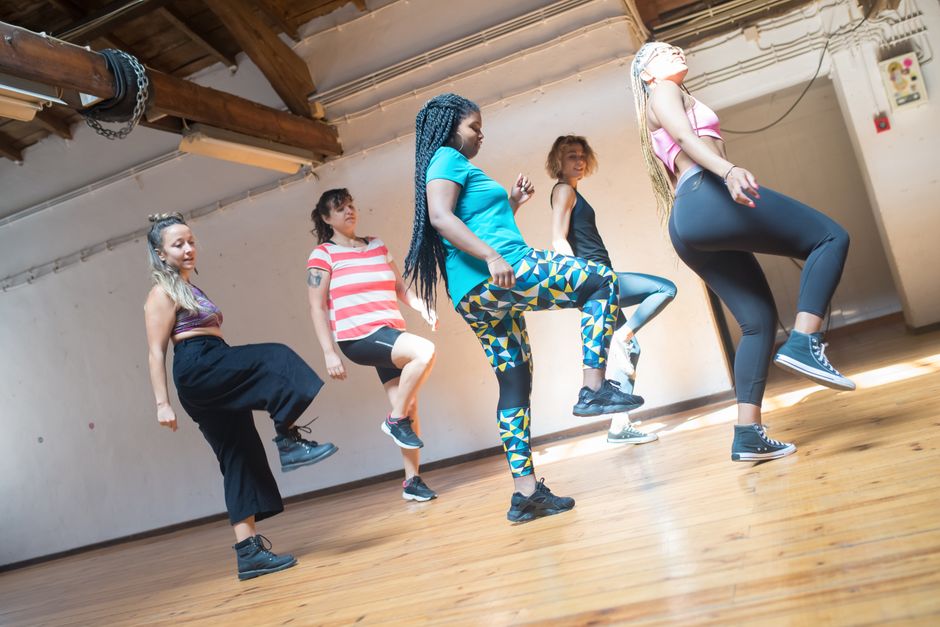
Fun dance classes for adults in Philadelphia range from drop-in ballet, tap, jazz, and hip-hop to beginner-friendly movement sessions and community Zumba. Choose by the atmosphere and structure you want: a no-commitment drop-in, a discounted introductory offer, or a free library session. You do not need prior experience for every class, but check the level and entry rules before you go.
What is the best dance to learn as an adult if I want to have fun?
The best dance to learn as an adult is the one whose pace, music, and class format make you want to return. “Fun” can mean learning set choreography, moving to familiar rhythms, or following a teacher without worrying about getting every step right. A beginner does not need to settle on a permanent style before trying a class.
For a more structured studio experience, ballet and tap offer technique and repeated practice; modern jazz and hip-hop offer different movement vocabularies. Koresh Dance Company lists more than 35 adult classes across ballet, tap, modern jazz, and hip-hop, with options for a wide range of levels. That range makes the schedule useful for comparing styles, though the class description still matters more than the label alone.
If a supported introduction sounds better than learning choreography immediately, Urban Movement Arts describes its UMA Dip as an option for people with absolutely no dance experience who want a paced introduction to movement. A Latin- or international-rhythm class may appeal if you prefer continuous movement over a technique-focused session. The practical test is less “Which dance is objectively best?” and more “Which room would feel manageable to enter again?”
Do I need dance experience to join an adult class?
No, some adult classes are explicitly open to beginners, but experience expectations vary by class. Koresh says it offers classes for a wide range of levels, while Urban Movement Arts identifies the UMA Dip for people with absolutely no dance experience. Those descriptions are more useful than assuming all adult classes are beginner classes.
Before booking, look for terms such as beginner, open level, introductory, or no experience needed. If the listing is unclear, ask the studio whether the class includes first-timers and whether students need to know basic steps. This small check can prevent a mismatch between the class’s pace and your expectations.
Feeling awkward at first is not evidence that you chose badly. A class is a room where people are learning movements, not an audition; taking a lower-pressure introductory session can make that easier to remember.
What happens during a first adult dance class?
A first adult dance class usually involves checking in, following the instructor’s movement guidance, and learning or repeating material at the class’s stated level; exact routines differ by provider. Arrive with enough time to read the studio’s entry instructions, particularly where lateness rules apply. At Koresh, students sign in and pay before entering, and anyone more than 10 minutes late is not admitted.
Drop-in does not mean rules-free. Koresh says its classes have no registration fee or minimum class commitment, but students still need to sign in and pay before class. The studio also allows only water as food or drink in the studio. These practical details are worth checking before leaving home, because a welcoming class can still have a firm door policy.
Wear comfortable clothes that allow movement and bring water, following the venue’s specific guidance. At the Free Library’s Greater Olney Zumba listing, comfortable clothing and water are recommended. If nerves are the main obstacle, choose a class whose listing clearly welcomes beginners, and treat the first visit as information-gathering rather than a test of talent.
Which is more fun for beginners: hip-hop, salsa, jazz, or dance cardio?
There is no universal winner: hip-hop, salsa, jazz, and dance cardio suit different preferences, and the available Philadelphia listings do not compare them using a common beginner satisfaction measure. The table below matches each format to a practical preference, not a promise about what you will enjoy.
| Format | Could suit you if… | What to check |
|---|---|---|
| Hip-hop | You want a class centered on a recognizable dance style and choreography. | Whether the session is beginner or open level. |
| Salsa or Latin-inspired dance | You like rhythmic movement and a social, music-led atmosphere. | Whether the class teaches partner work or solo movement. |
| Jazz | You want a studio class focused on a specific dance vocabulary. | The level and pace stated in the schedule. |
| Dance cardio or Zumba | You prefer continuous movement and an exercise-oriented class. | Whether the instructor describes the session as accessible to your fitness level. |
The Free Library listing describes its Greater Olney Zumba as easy-to-follow Latin- and international-inspired rhythms combined with aerobic exercise, and says it is suitable for adults of all fitness levels. That gives a concrete entry point if the idea of a technique-heavy class feels like too much. For studio options, Koresh lists hip-hop and modern jazz among its adult classes; use the individual class listing to choose a level.
Dance also counts as physical activity, though the intensity depends on effort and fitness. The U.S. Department of Health and Human Services identifies dancing as a moderate-intensity activity for an average person. Its talk test describes moderate intensity as a pace at which a person can talk but not sing. The general adult activity target is 150–300 minutes of moderate-intensity aerobic activity each week, plus muscle-strengthening activity on at least two days weekly; these are broad guidelines, not a requirement that every dance class feel strenuous.
Can I try a drop-in class before buying a membership?
Yes, Philadelphia options include drop-ins and introductory offers, so a recurring membership is not the only way to try a class. Koresh says adult classes are drop-in, with no registration fee or minimum class commitment; students can take as many or as few as they like. That structure lowers the commitment, though each visit still requires sign-in and payment.
Urban Movement Arts lists a $19 drop-in, a five-class card for $75, and a one-month unlimited introductory offer for new students at $40. These options serve different levels of uncertainty: a single visit limits upfront commitment, a class card suits someone expecting to return a few times, and an intro offer gives a new student more room to sample the schedule. The listed prices are from the provider’s current pricing page; check that page for current terms before purchasing.
UMA notes that passes and introductory offers have location and expiration restrictions. Check that the offer applies to the studio and class you plan to attend. A low entry price is only useful if the schedule, location, and expiration fit real life.
Frequently Asked Questions
Are there free or low-cost adult dance classes in Philadelphia?
The Free Library of Philadelphia lists a Greater Olney Library Zumba session provided by the Olney Community Collaborative. The listing says it is suitable for adults of all fitness levels and describes sessions on the second and fourth Saturdays at 11 a.m.; check the library calendar because schedules can change. Urban Movement Arts lists a $19 drop-in and a $40 introductory month for new students, with restrictions to review.
What should I wear and bring to my first dance class?
The library recommends comfortable clothing and water for its Zumba session. Koresh permits water as the only food or drink in the studio, so check a studio’s rules before bringing anything else. Wear clothing that lets you move comfortably, and confirm any footwear guidance with the class provider.
Can you lose weight by dancing 30 minutes a day?
Dancing can contribute to physical activity, but the available research does not establish that 30 minutes every day guarantees weight loss. A 2024 PLOS ONE review of 10 studies among people with overweight or obesity found dance interventions favored several body-composition measures compared with usual lifestyle, with varied dance forms and interventions. Results depend on more than a daily time target.
What should I eat before a dance class?
MedlinePlus advises avoiding exercise on an empty stomach, while noting that food timing and amount vary by person. A full meal high in fat may take longer to digest; its guidance recommends waiting three to four hours after such a meal before exercising. For sessions longer than an hour, it suggests a carbohydrate-containing option such as fruit or yogurt.
Sources
- Koresh Dance Company, Adult Classes
- Urban Movement Arts Philadelphia, Prices
- Free Library of Philadelphia, Greater Olney Zumba
- U.S. Department of Health and Human Services, Physical Activity Guidelines Q&A
- MedlinePlus, Food and Exercise
- PLOS ONE, 2024 Systematic Review and Meta-Analysis of Dance Interventions
Disclaimer: This article is for general information only and is not medical advice. It is not a substitute for diagnosis or treatment by a qualified healthcare professional. Always speak to your doctor before acting on anything you read here.
You may also like
Which Fun Dance Classes Are Right for Beginners?
Compare beginner fun dance classes by music, pace, and social format, then choose one with clear instruction and room to learn.

How Can I Find Relocation Assistance Grants?
Relocation assistance grants are usually local housing, emergency, or disaster aid; start with 211 and verify eligibility and payment rules.

How Can I Find Legitimate Relocation Grants?
Legitimate relocation grants depend on your reason for moving, location, eligibility, and the costs a specific program covers.
How Can I Strengthen Legs for Running?
Strengthen legs for running with progressive resistance, complementary hills or strides, and sessions scheduled around recovery.